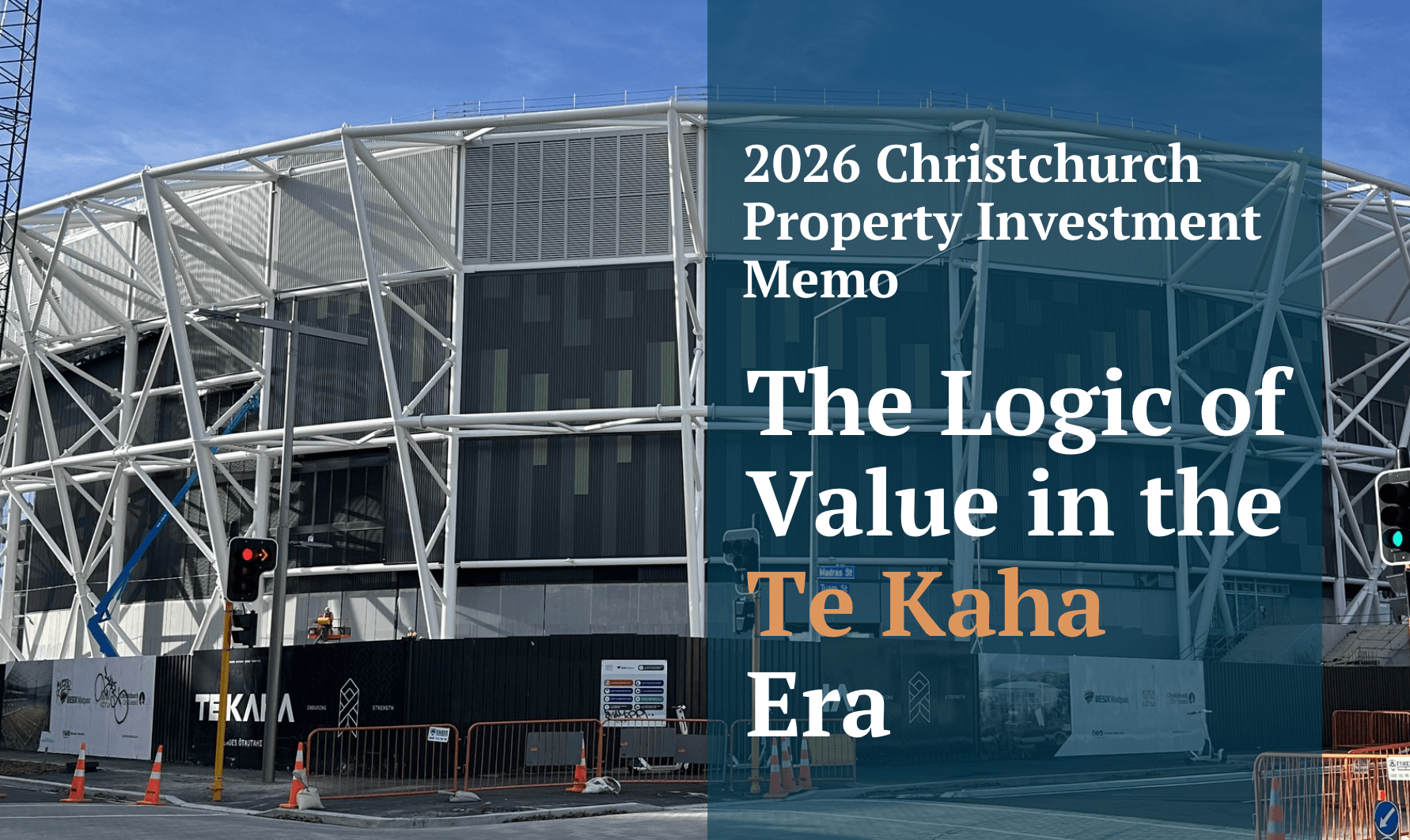
With the $683 million Te Kaha (One New Zealand Stadium) nearing its April 2026 completion, Christchurch’s urban centre is experiencing a massive gravitational shift. As local developers, the most common question we get is: “Should I buy an apartment right next to the stadium?”
Our advice might surprise you: if you’re chasing long-term, stable cash flow, do not buy directly opposite the arena.
1. The “Front Row” Trap: Hidden Costs and Vacancy Risks
From a professional development and property management lens, stadium-adjacent properties often fall into the “event-driven” trap.
The Side Effects of Proximity
Te Kaha is expected to draw over 500,000 visitors annually. For residents directly opposite, this means traffic cordons, noise levels exceeding 90dB, and massive crowds at your doorstep every match day.
Volatile Rental Structure
These properties are magnets for short-term rentals (Airbnb). However, Christchurch’s short-stay market is highly cyclical. Without an event, expensive CBD apartments face high vacancy rates and body corporate fees that eat into your margins.
The Data
Research in similar-sized cities shows that residential yields in immediate stadium precincts can be 15–20% more volatile than in established fringe suburbs. Long-term, high-quality professional tenants prefer the quiet convenience of being 10–15 minutes away.
2. Wigram: The True “Dividend Stock” of the Te Kaha Era
If Te Kaha is the city’s engine, Wigram is the high-performance transmission that turns that energy into stable returns.
The 15-Minute Golden Zone
Via the Southern Motorway, Wigram is just 12–15 minutes from Te Kaha. This distance allows you to enjoy the stadium’s buzz on weekends while maintaining a serene, high-demand living environment during the week.
The Dual-Engine Economy
Unlike the CBD, which relies on tourism, Wigram is anchored by the Airport and the Hornby industrial/commercial hubs. It attracts the city’s most stable tenant demographic: professional families and high-income essential workers.
Market Resilience
As of early 2026, Wigram remains a top-performing suburb with median values around $872,000. While the broader market finds its feet, Wigram’s new townhouses are achieving yields of 4.5%–5.2% with weekly rents reaching $580–$710.
3. The Investor’s Logic: Buy “Certainty,” Not “Novelty”
At Tailored Homes, we chose to develop Four Seasons Estate in Wigram because we value three core pillars:
Established Amenities
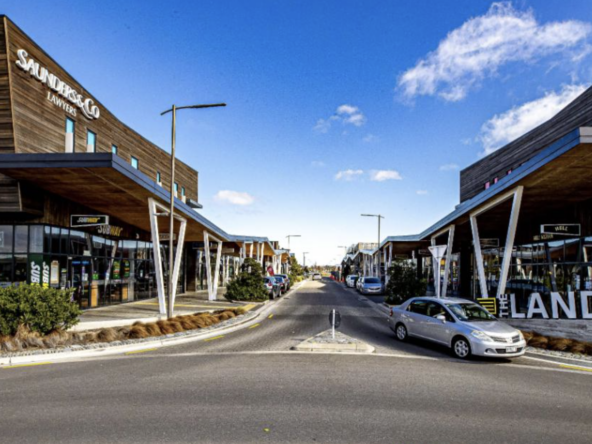
Between The Landing, local schools, and parks, Wigram’s infrastructure is 100% complete. You aren’t buying a “future promise” — you’re buying proven convenience.
Cash Flow Buffer
New-build townhouses benefit from 20-year interest deductibility and near-zero maintenance costs — a vital safety cushion in today’s interest rate environment. First home buyers can enter with as little as 5% deposit.
The Spillover Effect
Te Kaha’s $50M+ annual economic injection will lift all boats, but high-demand residential hubs like Wigram will see the most consistent capital appreciation.
Conclusion: Invest Where the Crowd Lives, Not Where They Play
Investing in Christchurch during the Te Kaha era doesn’t mean moving into the stadium. It means finding the sweet spot — investing where the crowd wants to live, not just where they go to play.
Wigram delivers that sweet spot: 12 minutes from the action, strong rental demand, proven infrastructure, and yields that outperform the city average.
Related: The “Stable Investor” Playbook — 5 golden criteria every Christchurch buyer should check in 2026
Ready to see the numbers? View the full Four Seasons Estate investment breakdown, or get in touch to request a personalised cash flow estimate.
Related: New Build Tax Benefits NZ — the 4 financial advantages every investor should know
Related: Christchurch Property Investment Guide 2026 — the complete overview