As at July 2026, choosing a building company in Christchurch comes down to three checks before you sign anything: a fixed-price contract rather than open-ended provisional sums, a recognised guarantee such as Master Build or Halo, and a track record of finished, occupied homes you can actually see in person.
Choosing a Christchurch building company: where buyers go wrong
Most people choosing a building company in Christchurch make the decision on one factor: the headline price on a glossy brochure. The problem is that two builders can quote very different final costs for what looks like the same house. The difference sits in what’s included, what’s a provisional sum waiting to be finalised later, and what guarantee actually stands behind the build if something goes wrong. Buyers who end up happiest with their new home usually spend less time comparing floor plans and more time comparing contracts, guarantees and finished homes before they sign anything.
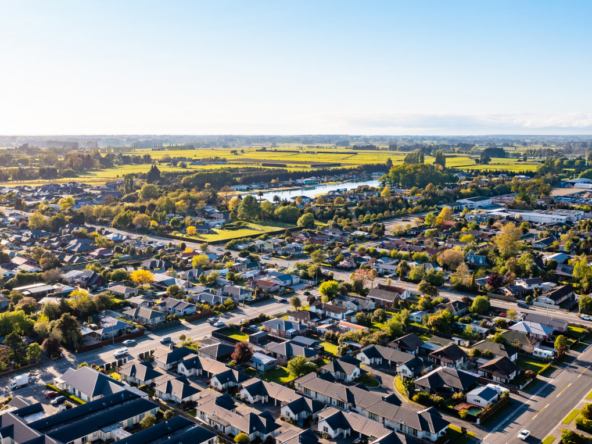
This matters more in Christchurch specifically than in most other New Zealand cities, because of what happened after the Canterbury earthquakes. A wave of new building companies entered the market to meet rebuild demand, and not all of them are still trading today. A longer local track record, ideally spanning more than one economic cycle, is a genuine point of difference worth asking about directly.
Fixed price vs PC sums: the question that protects your budget
A fixed-price contract means the number you sign is the number you pay, aside from any changes you personally request. A PC sum, short for prime cost sum, is an allowance for an item such as a kitchen benchtop, tiling or a driveway that hasn’t been finalised yet. It’s priced at the builder’s estimate rather than a locked-in cost. PC sums aren’t automatically a red flag. Used properly, they let you choose finishes later in the build rather than committing to every detail before construction starts.
The risk is a contract loaded with PC sums set unrealistically low, so the advertised price looks competitive until the final invoice arrives with a string of “PC sum shortfall” line items added on top. Before signing, ask exactly which line items are fixed and which are PC sums, and ask to see a recent example of how close a PC sum estimate came to the actual cost on a finished home. A builder confident in their pricing should be able to answer this without hesitation.
Guarantees and insurance: Master Build, Halo, and what they cover
A new home in New Zealand should come with a recognised builder’s guarantee, most commonly Master Build through the Registered Master Builders Association, or Halo through Certified Builders. Both cover defects, and both protect you if the building company itself stops trading partway through the build. That protection matters as much as the builder’s own reputation, since it’s the guarantee that pays to complete or repair the home if the company can’t.
Cover generally runs up to 10 years, with different levels of protection at different stages: deposit and non-completion cover in the early stages, and structural defect cover for the full term. Ask which guarantee applies to your specific contract, what it actually covers at each stage, and ask to see the certificate rather than accepting a verbal assurance that it’s included. It’s also worth asking who carries contract works insurance during construction itself, so you know who’s responsible if the half-built home is damaged by weather, fire or theft before it’s handed over.
Track record: how to check a builder’s finished homes
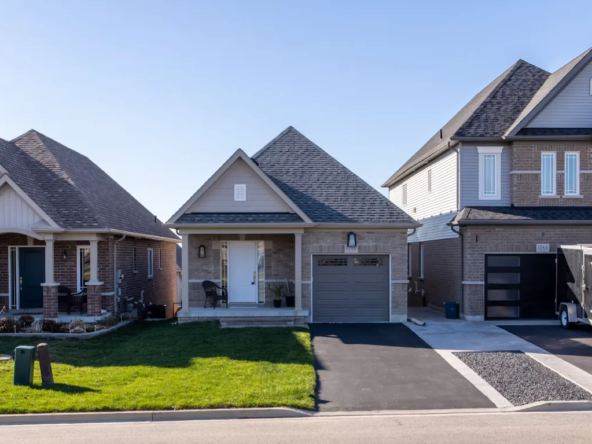
A builder’s own marketing will always show their best work. Ask instead for addresses of homes completed in the last one to two years that you can drive past, and speak to a past client directly where possible rather than reading only curated testimonials on the company website. Our showcase of completed Tailored Homes projects is a genuine record of what’s actually been built and handed over, not a set of architectural renders.
Look for consistency across multiple finished homes rather than being sold on one standout example, and ask how long the company has been building in Christchurch specifically. Local knowledge of Canterbury’s ground conditions, from liquefaction risk to Technical Category zoning, and familiarity with the Christchurch City Council consenting process, matters more in practice than a national brand name with no regional history. It’s also worth checking that the people actually managing your build are Licensed Building Practitioners for the relevant licence class, since this is a public register anyone can search before signing.
Timelines, contracts and progress payments
A realistic Christchurch new-build timeline, from signed contract to keys, typically runs 8 to 14 months depending on design complexity, council consenting timeframes, and the weather through winter. Be wary of a builder who won’t commit to an estimated timeframe in writing, or whose contract has vague language around what happens if that timeframe slips.
Progress payments should be tied to completed stages of construction, such as foundation, framing, lock-up and fit-out, rather than an arbitrary schedule set by the builder. You should never be asked to pay significantly ahead of the work actually completed on site. If a payment schedule looks front-loaded compared to the stages it’s supposedly tied to, ask why before you sign.
9 questions to ask before you sign
Use this list as a working checklist during your first meeting with any building company, and note down the answers rather than relying on memory when you compare quotes later.
- Is this a fixed-price contract, and which items, if any, are PC sums?
- What builder’s guarantee applies, and for how long?
- Can I see three homes you’ve completed in the last two years?
- What’s the realistic timeline from signing to keys, in writing?
- How are progress payments structured?
- Who is my single point of contact during the build?
- What happens if I want to make a change partway through construction?
- How is the section prepared, and who carries the risk if ground conditions differ from what was expected?
- What happens to my deposit and my build if the company can’t complete the project?
Red flags that should make you walk away
A few signs are worth taking seriously rather than explaining away. A price that’s noticeably lower than every other quote for the same specification, with no clear reason why. Reluctance to put the guarantee, the fixed-price items, or the timeline in writing. No verifiable completed homes you can see in person, or a portfolio made up mostly of renders. Pressure to sign quickly, before you’ve had time to compare contracts properly, or a discount that’s only available “if you sign today.”
None of these on its own is proof of a problem, but more than one together is a reason to slow down and ask harder questions before you commit. If a company won’t let you speak to a past client at all, treat that as a red flag on its own, since a builder confident in their work usually welcomes the comparison.
For more on how the build itself works once you’ve chosen a company, our design and build process guide and new build cost breakdown cover what to expect stage by stage and where the money actually goes.
Frequently Asked Questions
What should I look for in a Christchurch building company?
Look for a fixed-price contract with clearly defined PC sums, a recognised guarantee such as Master Build or Halo, and a track record of finished homes you can see in person. A local building company that understands Canterbury’s ground conditions and council consenting process is also a genuine advantage over a national brand with no regional history.
What’s the difference between a fixed price and a PC sum?
A fixed price is locked in at signing and won’t change unless you request variations. A PC sum is an allowance for an item that hasn’t been finalised yet, such as tiling or a benchtop, priced at an estimate rather than a confirmed cost. The final bill can end up higher than expected if PC sums are set unrealistically low.
What guarantee should a new build come with?
A recognised industry guarantee such as Master Build or Halo, typically covering up to 10 years and including protection if the building company itself stops trading before the home is finished. Ask to see the actual certificate, not just a verbal assurance that cover is in place.
How do I check if a builder is reputable?
Ask for addresses of homes they’ve completed in the last one to two years, ideally ones you can view in person, and speak to a past client directly if possible. A consistent track record across multiple finished homes is a stronger signal than any single showcase project or online review.
How long does it take to build a new home in Christchurch?
As at July 2026, a typical new build in Christchurch takes around 8 to 14 months from signed contract to keys, depending on design complexity, council consenting timeframes and the time of year construction starts. Ask your builder for a realistic, written timeline rather than relying on a verbal estimate.