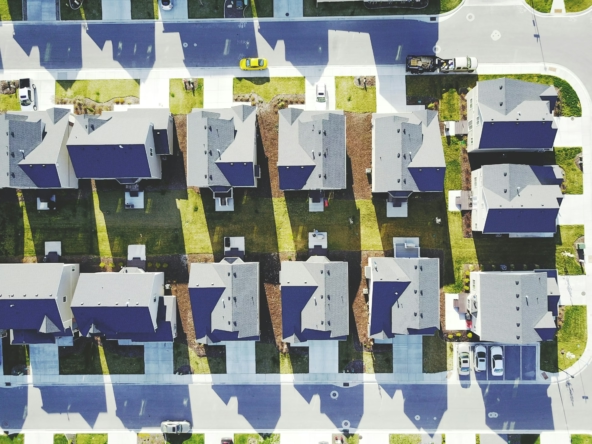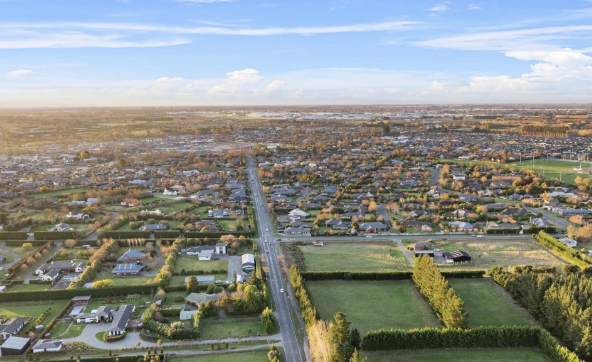
If you are weighing up new build vs existing Wigram options, the right answer usually comes down to cashflow, risk, warmth, layout, and how much work you are prepared to take on after settlement. Wigram has a mix of newer subdivisions, established streets, townhouses, standalone homes, and homes from different building eras, so two properties with the same bedroom count can feel very different once you price the whole package.
As at June 2026, buyers also need to allow for lending rules, insurance checks, maintenance, Healthy Homes obligations for rentals, and the fact that the First Home Grant ended in May 2024. The KiwiSaver first-home withdrawal is still available, and the First Home Loan is still available through Kāinga Ora with a 5% deposit for eligible buyers.
The five real differences in new build vs existing Wigram
The simplest comparison is purchase price, but that is rarely the full cost. A new home can look more expensive on the sale agreement, while an older home can carry costs that appear later: roof work, drainage, insulation upgrades, heat pump replacement, double-glazing retrofits, repainting, and higher power bills.
1. Certainty of condition
A Wigram new home should give you clearer information at the start. You can usually see the plans, specifications, code compliance pathway, appliances, cladding, glazing, heating, and warranty documents before you commit. With a Wigram existing home, you rely more heavily on a building inspection, LIM, title review, insurance checks, and your own tolerance for future repairs.
2. Deposit and lending treatment
As at June 2026, Reserve Bank LVR rules still affect many buyers, but new builds are typically treated more favourably than existing homes under LVR settings. That does not mean every buyer can borrow more, because banks still assess income, expenses, credit history, and the property itself. It does mean a new build can sometimes help where deposit size is the main constraint.
3. Operating cost
Modern insulation, double glazing, efficient heating, LED lighting, and newer hot-water systems can reduce day-to-day running costs. The difference is most noticeable in winter, when Christchurch homes are tested by cold nights and hard frosts. An older home can be made warm, but the cost may sit with the buyer after settlement.
4. Maintenance timing
New homes are not maintenance-free, but they usually push major replacement costs further out. Existing homes can still be excellent buys, especially if previous owners have already upgraded the roof, wiring, plumbing, insulation, heating, kitchen, and bathrooms. The key is to price the work honestly, not just admire the character or section size.
5. Lifestyle fit
Wigram buyers often compare newer homes close to The Landing, Wigram Skies, and main transport routes with older homes in nearby established areas. Newer homes can suit people who want low-maintenance living and a predictable build standard. Existing homes can suit buyers who value mature gardens, larger sections, renovation upside, or a layout they can change over time.
If you are comparing land, layout, and build options, Tailored Homes’ guide to new homes in Wigram is a useful next step.
Cost: deposit, insurance, energy bills
A fair cost comparison needs more than the asking price. Use a 5-year view and include deposit, loan structure, insurance, rates, maintenance, heating, repairs, and any work needed to bring the home up to the standard you expect.
Deposit and loan examples
For a simple example, using a $750,000 purchase as at June 2026, a 20% deposit is $150,000. A 10% deposit is $75,000, and a 5% deposit is $37,500. First-home buyers may be able to use a KiwiSaver first-home withdrawal if they meet the rules. Eligible buyers may also be able to use the First Home Loan with a 5% deposit, but income caps and lender criteria apply.
The First Home Grant should not be included in any 2026 budget, because it was discontinued in May 2024. If a budget still includes that grant, it needs to be updated before you make an offer.
Insurance checks
Insurance can differ between a new and existing home. A new build may have clearer construction details, newer wiring, newer plumbing, and fewer historic issues. An existing home may need more insurer questions answered, especially if it has older roofing, unconsented alterations, asbestos risk, old wiring, or previous earthquake repairs.
That said, insurance is priced case by case. Sum insured, floor area, construction type, site risk, excess, and insurer appetite all matter. Before going unconditional, get an insurance quote for the exact property. For general consumer guidance on house buying and insurance checks, Consumer NZ is a useful independent source.
Energy bills and winter comfort
Energy use depends on household size and habits, but the building shell matters. A new Wigram home built to modern standards should usually have better insulation and glazing than an older, unrenovated home. That can mean less heat loss, fewer draughts, and more even temperatures through bedrooms and living areas.
For an existing home, ask for power bills if the seller is willing to provide them. During inspection, check ceiling insulation depth, underfloor insulation, window condition, heat pump age, extractor fans, moisture control, and signs of condensation. A cheaper purchase can become less cheap if it needs $15,000 to $40,000 of comfort upgrades in the first few years.
Warranty and risk: Master Build 10-year
Warranty is one of the clearest differences between a new build and an existing home. A new home may come with a builder warranty, product warranties, appliance warranties, and, where applicable, a Master Build 10-Year Guarantee. Always confirm the warranty documents before signing, because cover depends on the builder, contract, and guarantee application.
What the Master Build warranty can cover
The Master Build 10-Year Guarantee is associated with Registered Master Builders and is designed to give extra protection beyond standard contractual rights. Buyers should check the exact cover, exclusions, transfer rules, timeframes, and claim process directly with Registered Master Builders.
A warranty does not remove the need to inspect the property. It does, however, give a different risk profile from buying an older home where most defects sit with the buyer after settlement unless the sale agreement says otherwise.
Risk in an existing home
An existing home can still be a very sound purchase, but the risk is less standardised. The right checks are a building inspection, LIM, title review, insurance confirmation, drainage awareness, and a careful look at alterations. In Christchurch, it is also sensible to understand earthquake repair history and any relevant documentation.
For older properties, price the likely work before you offer. A $20,000 roof repair, $8,000 heat pump upgrade, $12,000 exterior repaint, or $25,000 bathroom repair can change the comparison quickly. Some buyers are comfortable taking that on. Others would rather pay for a newer home and keep their weekends clear.
Insulation, double glazing, Healthy Homes
Warmth and compliance are practical issues in Wigram, not abstract selling points. Christchurch winters are cold enough that insulation, glazing, heating, ventilation, and moisture control affect daily life.
Healthy Homes for rentals
The Healthy Homes Standards are compulsory for New Zealand rentals. They cover heating, insulation, ventilation, moisture ingress and drainage, and draught stopping. As at June 2026, landlords should check the current rules and compliance timeframes with Tenancy Services.
For an investor, a new build may make Healthy Homes compliance simpler, because the home should already have modern insulation, heating, ventilation, and moisture control designed into it. That still needs to be checked and documented. For an existing rental, compliance may require insulation upgrades, heating calculations, extractor fans, drainage work, or draught stopping.
Double glazing and comfort
Most newer Wigram homes include double glazing. Many older homes do not, unless previous owners have upgraded them. Double glazing is not only about power bills. It can reduce condensation, improve comfort near windows, and make bedrooms easier to heat.
Retrofitting double glazing can be worthwhile, but it is rarely cheap. If you are comparing two homes, ask whether the existing home already has double glazing throughout, only in some rooms, or not at all. Partial upgrades are common, and they can leave bedrooms colder than the living area.
Building code versus real-life performance
A new home built to code should meet modern minimum standards, but quality still depends on design, materials, workmanship, ventilation, orientation, and site planning. Look at sun, wind exposure, garage placement, storage, window sizes, and outdoor living. A compact, well-oriented townhouse can feel warmer than a larger house with poor sun.
If you are choosing between formats, the comparison of standalone vs townhouse in Wigram can help you weigh land size, privacy, body corporate considerations, parking, and long-term resale appeal.
Lifestyle: when each makes sense
The best choice is not always the newest property or the cheapest property. It is the home that fits your next 5 to 10 years without creating pressure you could have seen coming.
When a new build makes sense
A new build can make sense if you want a low-maintenance home, predictable layout, modern insulation, double glazing, newer appliances, and fewer immediate repairs. It can also suit buyers who want to move in without renovating, investors who want simpler Healthy Homes documentation, and first-home buyers who need a clearer deposit pathway.
New homes in Wigram often appeal to people who work in the south-west of Christchurch, commute by main arterial routes, or want to be close to local shops, cafes, parks, and recreation areas. The trade-off may be a smaller section than some older homes, less mature landscaping, or a more compact floor plan.
When an existing home makes sense
An existing home can make sense if you want a larger section, established planting, a more traditional layout, or the chance to renovate and add value. It may also suit buyers who are practical, have renovation experience, or have cash set aside after settlement.
The main risk is underestimating the work. Cosmetic updates are one thing. Moisture damage, roofing, drainage, wiring, plumbing, cladding, and structural issues are different. A good existing home with completed upgrades can be a strong buy. A tired home bought at the top of your budget can become stressful quickly.
For investors
As at June 2026, the bright-line test for residential property is 2 years for property sold on or after 1 July 2024, and new builds follow the same 2-year rule. Interest deductibility on residential rentals has been restored to 100%, while building depreciation is 0% for the building itself. Qualifying chattels depreciation can still be claimable. Investors should confirm tax treatment with Inland Revenue or a tax adviser before buying.
Decision framework
A practical way to compare a new build and an existing home is to score both properties against the same questions. Do this before you fall in love with the kitchen, garden, or street.
Use a 5-year cost sheet
- Purchase price: include deposit, lending costs, legal fees, and any valuation fee.
- Immediate work: list anything needed in the first 12 months, including heating, insulation, repainting, curtains, fencing, landscaping, or appliances.
- Likely maintenance: estimate roof, cladding, plumbing, drainage, exterior paint, and hot-water costs over 5 years.
- Running costs: compare insurance, heating, ventilation, and expected winter comfort.
- Resale: consider layout, parking, storage, sun, section usability, and buyer appeal in Wigram.
Ask three plain questions
- Can I afford this home after settlement, not just on settlement day?
- Do I want to spend money on improvements, or would I rather buy the finished result?
- Will this property still suit me if my household, work, or investment plans change over the next 5 years?
If you are comparing a specific new build with an existing property and want a local view on value, layout, and likely buyer appeal, get in touch for a free appraisal. A side-by-side review can make the choice much clearer.
Frequently Asked Questions
Are new builds in Wigram cheaper to insure?
Sometimes, but not always. A new build may be easier to insure because it has newer wiring, plumbing, roofing, cladding, and clearer construction records. That can reduce insurer concern compared with some older homes. The final premium still depends on sum insured, floor area, construction type, site risk, excess, and insurer pricing as at June 2026. Always get a quote for the exact Wigram property before going unconditional.
Do new builds come with a warranty?
Many new builds come with builder, product, appliance, and workmanship warranties. Some also include a Master Build 10-Year Guarantee, but it is not automatic for every new home. You need to confirm the builder, guarantee application, cover, exclusions, transfer rules, and claim process before signing. Keep the warranty documents with your sale and settlement records, because they matter if an issue appears later.
Are Wigram new builds Healthy Homes compliant?
A new Wigram home should usually be well placed to meet Healthy Homes requirements because it is built with modern insulation, heating, ventilation, drainage, and moisture control in mind. For a rental, you still need to check and document compliance against the Healthy Homes Standards as at June 2026. Do not assume compliance from age alone. Ask for specifications, heating details, ventilation details, and any relevant compliance statements.
Is it cheaper to buy new or existing in Wigram?
It depends on the full 5-year cost, not just the purchase price. An existing home may have a lower upfront price, but it can need insulation, glazing, roofing, heating, drainage, or cosmetic work. A new build may cost more at purchase but offer lower early maintenance, better comfort, and clearer warranty cover. The fair comparison is purchase price plus deposit, repairs, running costs, insurance, and resale appeal.